A Kibo smart meter fitted to a 12.5 kg LPG cylinder, photographed at dusk in Ikoyi, Lagos

Pay-as-you-cook LPG · Lagos, Nigeria

Cooking gas, bought the way Nigeria buys airtime.

Kibo, Safi's smart meter, turns an ordinary LPG cylinder into a prepaid utility. Households top up from ₦100 and pay only for the gas they burn — from a cylinder that never leaves the kitchen.

What ₦500 buys.

A full 12.5 kg refill costs a low-income family two to three weeks of cooking at once. Kibo lets the same family buy one day's cooking at a time. Move the slider to see what a top-up buys at today's typical Lagos retail price.

Illustrative: ₦1,350 per kg retail, a household burning about 220 g a day (roughly 80 kg a year). Your meter shows the exact figure.

Top-up ₦500
370g of gas
1.7days of cooking

About 5 meals for a family of five

₦100₦5,000

A Nigerian clean-energy company with its own technology platform.

Safi Africa International Energy Limited was incorporated in Lagos in 2019 to solve one stubborn problem: the up-front cost of a full cylinder refill keeps millions of Nigerian families on firewood, charcoal and kerosene even when LPG is the cheaper fuel per meal. Our answer is Kibo — a smart meter that turns a conventional LPG cylinder into a pay-as-you-go utility — and the depot network, cylinder fleet and data platform built around it.

What we do

  • Design, build and deploy the Kibo IoT pay-as-you-go LPG meter and its cloud platform: wallet, telemetry and customer management.
  • Operate CTAMS, a cryptographic QR-tag system that gives every cylinder a verifiable identity through its life cycle.
  • Finance and own cylinder fleets through a dedicated asset company, so households never pay the capital cost of a cylinder.
  • Partner with Nigeria's established LPG value chain — cylinder manufacturers, filling terminals and distributors — rather than compete with it.

Company facts

Registered name
Safi Africa International Energy Limited
Incorporated
1 February 2019, Corporate Affairs Commission (RC 1558137)
Head office
Suite 402, 23B Gerrard Road, Ikoyi, Lagos
Technology base
Nigeria and the United States (Santa Clara, CA)
Regulators
NMDPRA (midstream and downstream) · SON (standards)
Managing Director
Jerome Okolo

Innovation

A meter that costs under US$50 — a third or less of legacy smart-meter designs — and samples gas flow every 100 milliseconds.

Sustainability

Every cubic metre of LPG that displaces charcoal is measured at source: the foundation for high-integrity carbon credits.

Community

Each depot creates local jobs in installation, delivery and customer service, and keeps the cylinders already in kitchens working every day.

Nigeria's clean-cooking gap is not a supply problem. It is a payment problem.

LPG is widely available in Nigeria and, per meal, usually the cheapest fuel. What keeps households on biomass is the cash needed to refill a 12.5 kg cylinder in one go. Safi removes that barrier by letting families top up by the gram — the same economics that made prepaid mobile airtime universal.

~27%of Nigerians have access to clean cooking fuels and technology (National Energy Compact, 2025)
2030Federal Government target for universal clean-cooking access, requiring ~25% annual growth versus 3.2% achieved 2017–22
128,000deaths in Nigeria attributed to household air pollution from biomass in a single year (Energy Strategy Reviews, 2019 data)

The household view

A full refill costs a low-income household several days' earnings at once. Families ration gas, revert to charcoal between refills, or stop using the cylinder altogether. The appliance sits idle not because gas is unavailable but because it is sold in the wrong unit.

The Safi view

Meter the gas, not the cylinder. If a household can buy ₦500 of cooking at a time, from a cylinder that never leaves the kitchen, LPG becomes an everyday utility rather than an occasional purchase — and the data that follows makes the whole value chain financeable.

“Nigeria doesn't need more cylinders in warehouses. It needs the cylinders already in kitchens to be used every day.”

Jerome Okolo, Managing Director

A smart meter that turns any LPG cylinder into a prepaid utility.

Kibo fixes to the cylinder in the customer's home, meters gas as it is drawn, and opens or closes the supply against a prepaid wallet. At each cylinder exchange the meter stays with the household and moves to the fresh cylinder — it never goes back to the bottling plant.

Inside Kibo (90 seconds, with sound): pressure regulation, mass-flow sensing, a remotely managed shut-off valve and the display, in one housing that fits between the cylinder valve and the hose.

How it works for a family.

No cylinder to buy. No deposit. A Safi technician does the setup in one visit, and the household starts cooking the same day.

  1. 1

    A Safi technician visits the home

    Our Technical Sales Representatives call on households and explain cooking with clean LPG: what it costs per meal, how pay-as-you-go works, and how to use it safely.

  2. 2

    Kitchen inspection

    The technician checks the kitchen, the stove and the hose, and confirms the cylinder can be sited safely.

  3. 3

    Instant digital onboarding

    Digital KYC with BVN verification takes minutes on the technician's phone. The household is registered, a Nuban wallet account is opened, the meter is assigned, and the SafeGas app is installed on the family's phone.

  4. 4

    A brand-new cylinder, full of gas, no upfront payment

    The family receives a new 12.5 kg cylinder, filled, with the Kibo meter fitted. They pay nothing for the cylinder or the gas inside it: they pay only for what they burn, from as little as ₦100.

  5. 5

    Start cooking right away

    The first top-up opens the valve. Kibo meters every gram, shows cooking days remaining on the display, and the app shows the balance.

  6. 6

    Low credit? Finish the meal first

    When credit runs low the meter warns the household and gives them time to finish what is on the stove before it closes the valve. Top up by phone and cooking resumes.

  7. 7

    The cylinder is swapped before it runs out

    Kibo tracks how much gas is left and, as the cylinder empties, automatically orders an exchange. A full cylinder arrives before the old one runs dry; the meter simply moves across.

Safi's two golden promises to every family

“You do not need to buy a cylinder to cook with gas.”

“You will never run out of gas.”

Close-up of the green Kibo meter mounted on a cylinder valve
Kibo fitted between the cylinder valve and the regulator. It stays with the household; only the cylinder is exchanged.

Metrology

Calibrated at source, before it ever sees a kitchen.

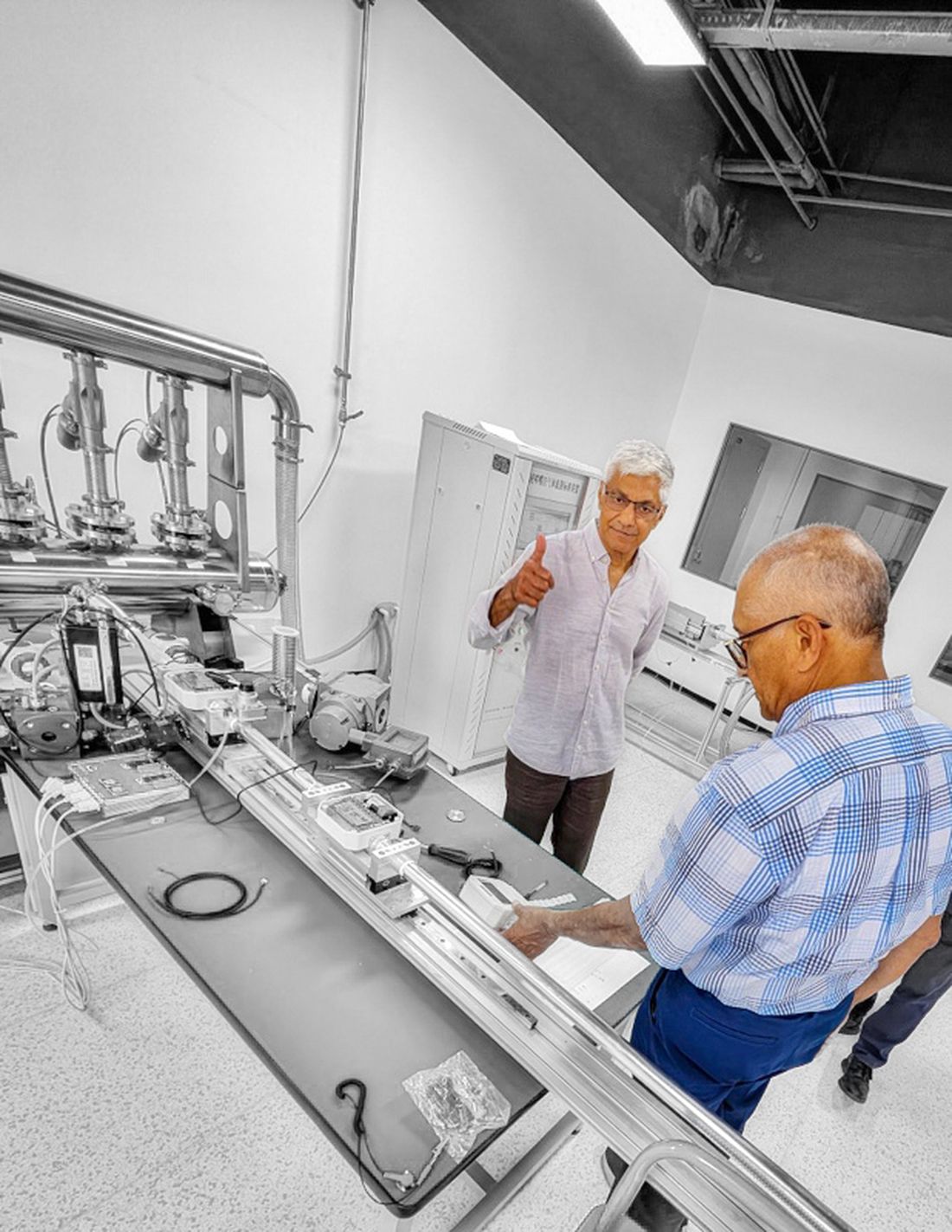
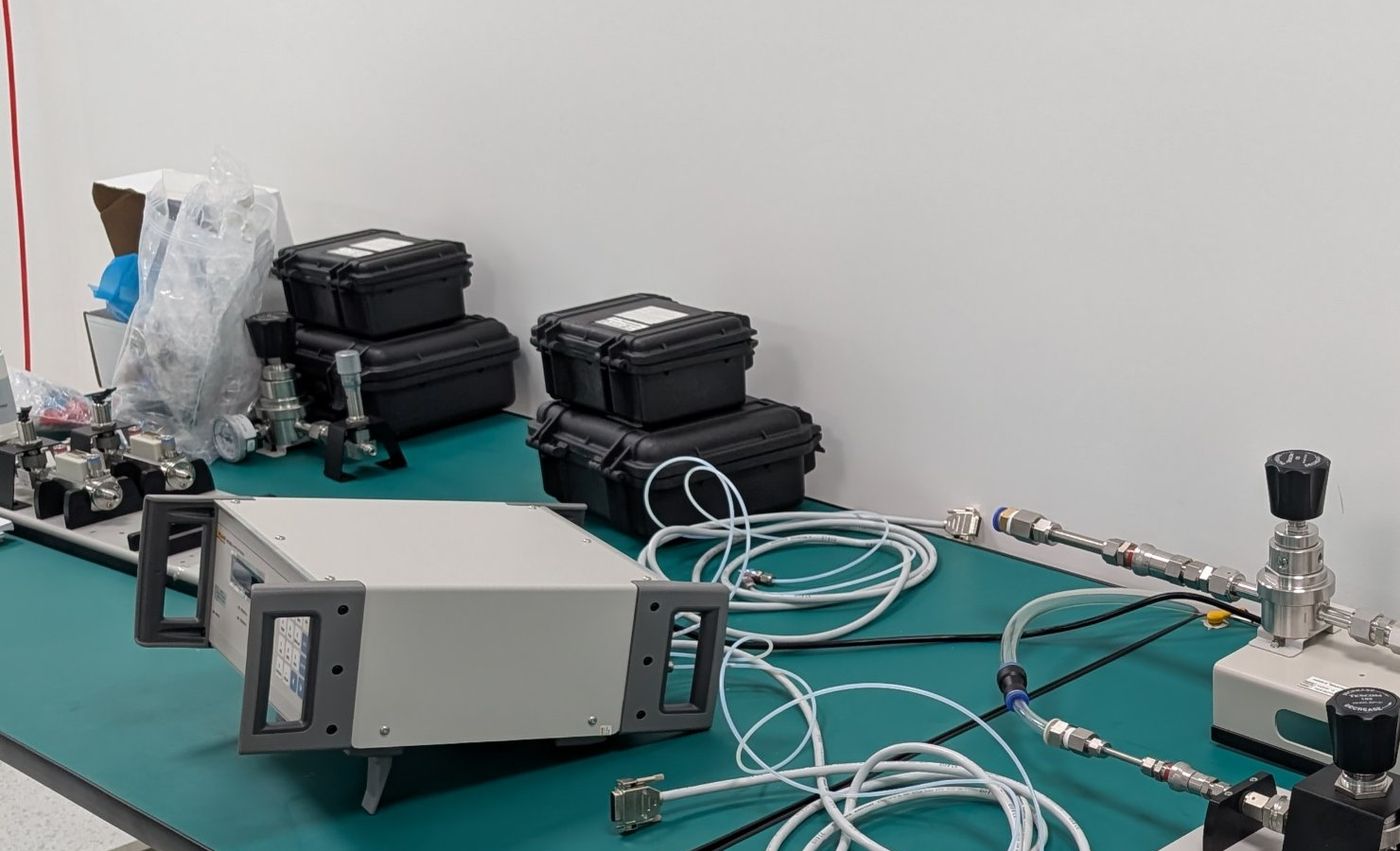
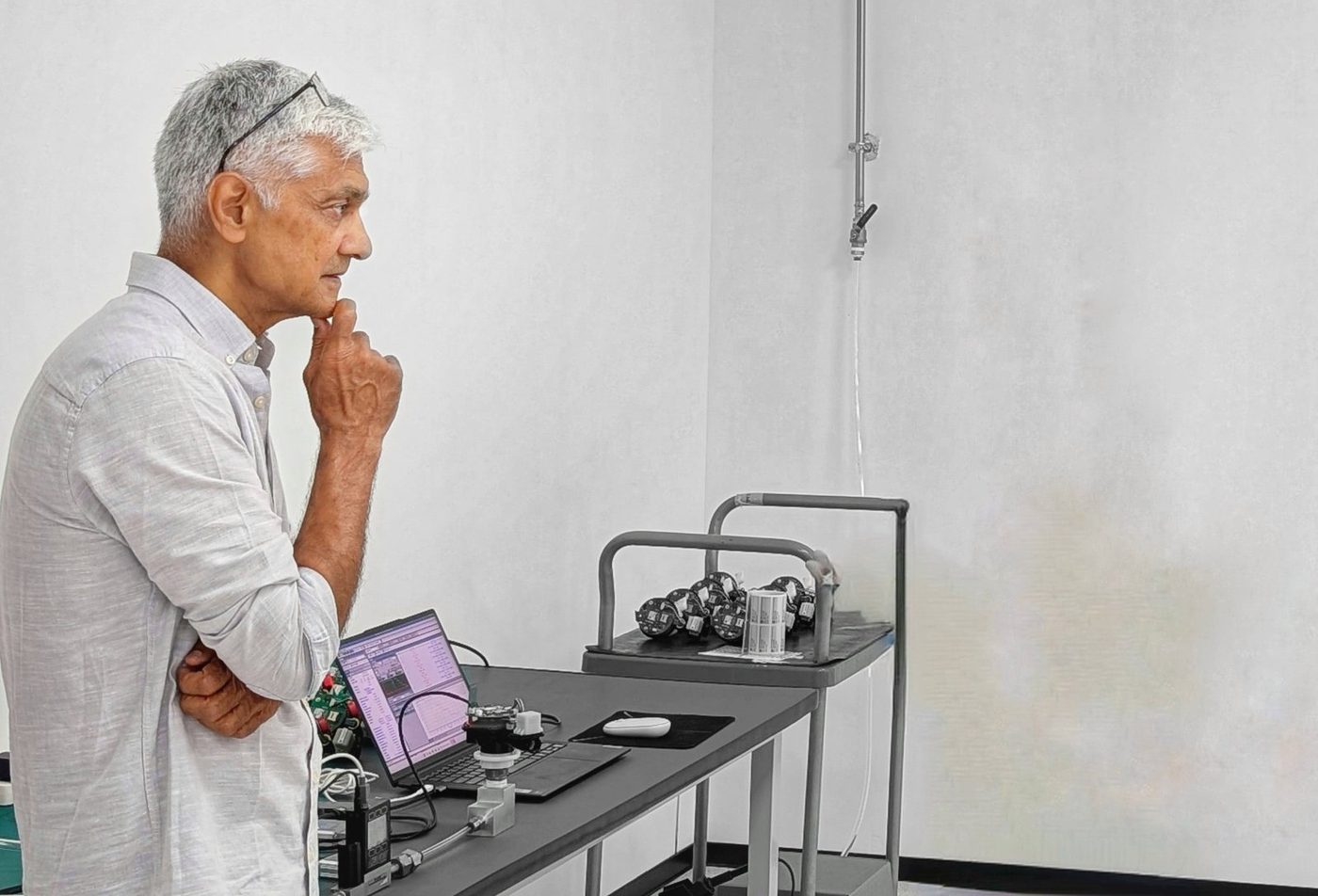
Kibo's metering core is a certified MEMS mass-flow platform, built and calibrated in a dedicated gas-metrology facility. Every sensor is characterised against reference standards across its full flow range before it is sealed into a meter, and the next-generation core is being qualified on the same benches. Safi's founders have spent time on that factory floor: the number on the display has to be a number a household, a regulator and a carbon registry can all trust.

  • MEMS mass flowmeasures gas by mass, so a reading in grams is independent of pressure and temperature swings in the kitchen
  • Reference-traceableeach core calibrated against laboratory flow standards before sealing
  • 100 ms samplingfine enough to resolve a single burner being turned down
  • Audit-grade dataconsumption records fit for regulators, lenders and carbon verification
Technical summary
Unit costUnder US$50 (legacy designs US$150–220)
Flow samplingEvery 100 ms, sub-gram resolution
ConnectivityLTE-M / NB-IoT with 4G/3G/2G fallback, on MTN Nigeria's IoT network
PowerBattery-powered; no mains connection required
ValveIntegrated shut-off, remotely managed
OfflineStores last-known balance locally so cooking continues during network outages
SecurityFixed to the cylinder with hardware that needs special tools to remove; GPS-located; gas locks against unpaid balances
BackendCloud wallet, telemetry and customer platform; multi-wallet architecture
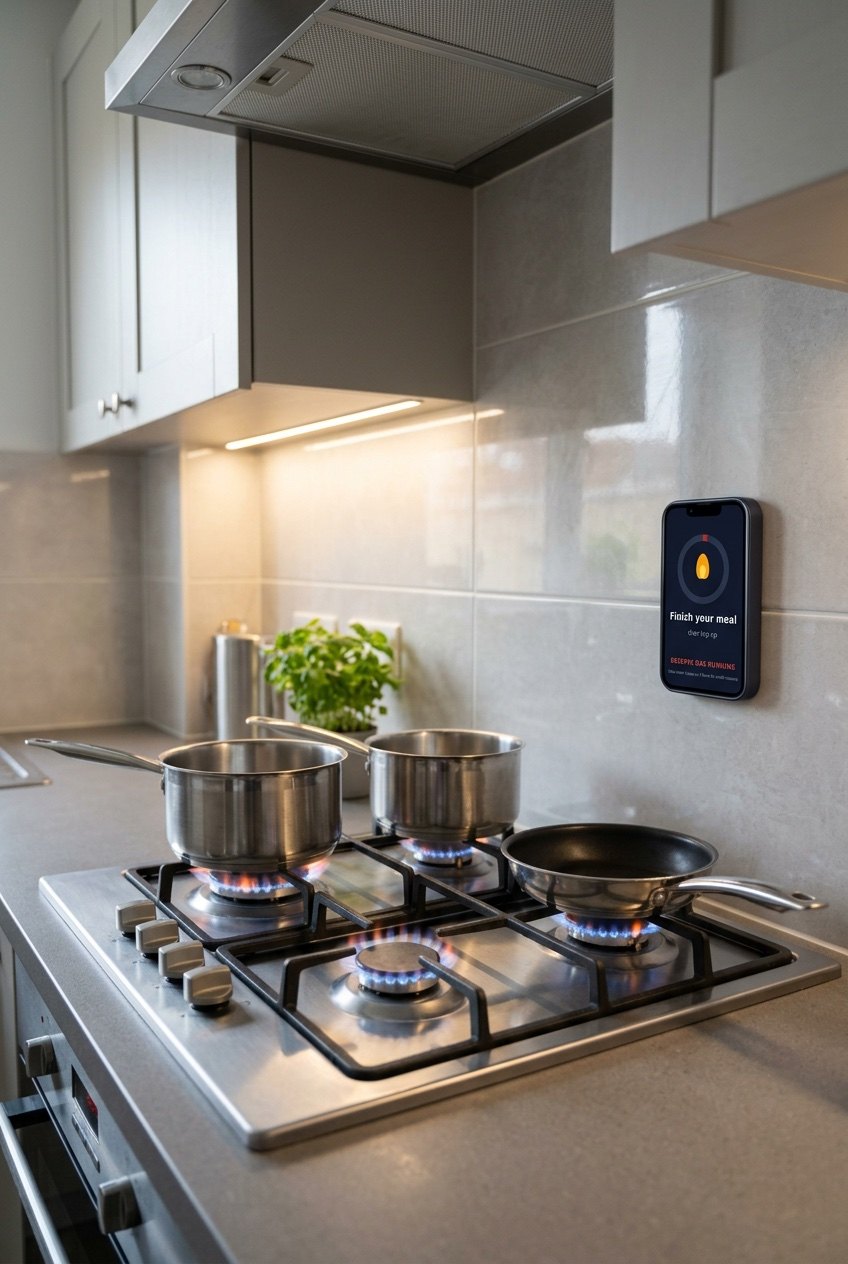
Wall-mounted Kibo kitchen display beside a gas hob
Next generation. A two-unit design: a screenless gas-side unit paired with a wall-mounted colour kitchen display connected over Bluetooth. The split keeps the interface where the family actually cooks.

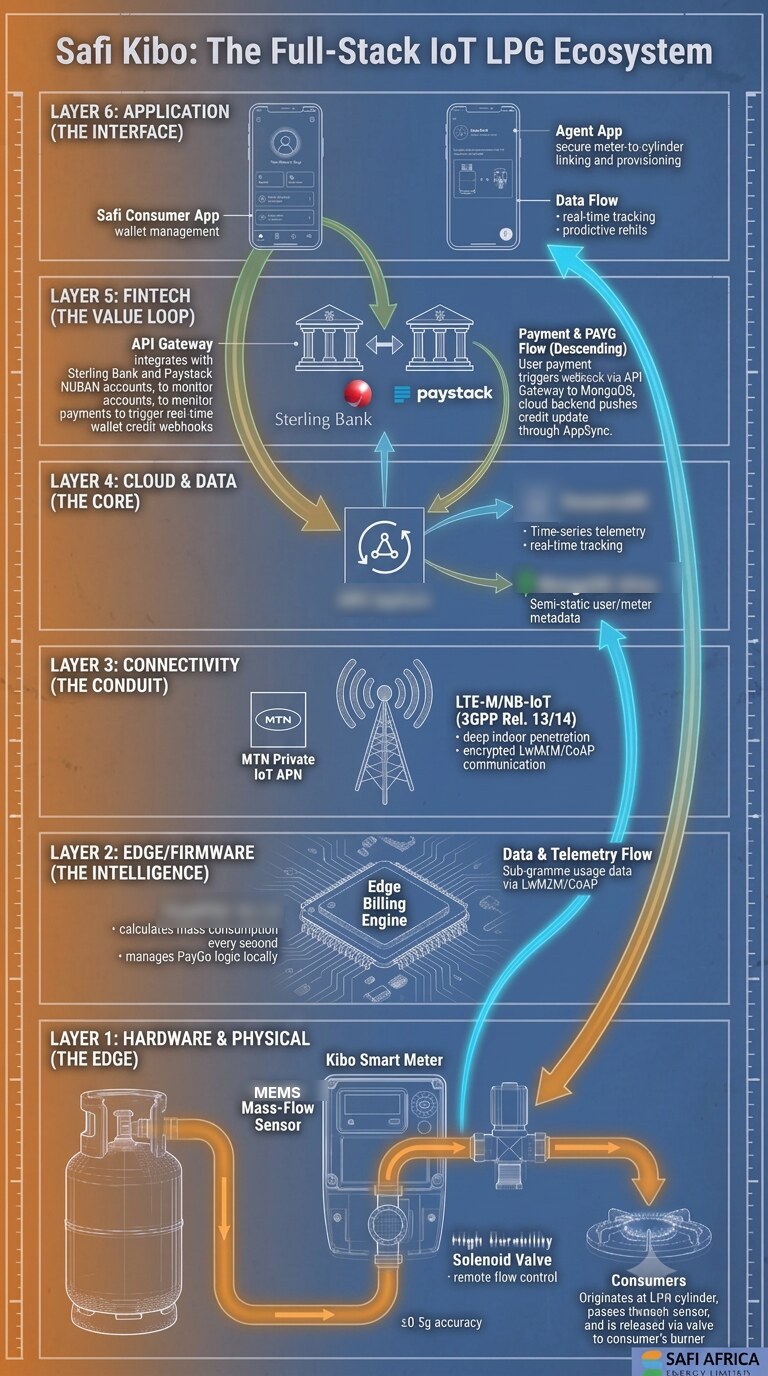
Six layers, one closed loop: gas, data and payment.

Kibo is more than a meter. It is a full stack from the sensor in the kitchen to the app on the phone, built so that gas flows only when a payment has, and every gram burned is recorded.

  1. 6

    Application

    SafeGas customer app, agent app and operations portal: top-ups, balance, cylinder exchange requests, fleet and depot management.

  2. 5

    Fintech

    Mobile money, bank transfer and agent cash into each household's Nuban wallet account; real-time ledger reconciliation with our banking partner, Sterling Bank; digital KYC with BVN verification.

  3. 4

    Cloud and data

    Telemetry ingestion, the wallet ledger, the cylinder registry and settlement in one platform; demand forecasting for depot logistics.

  4. 3

    Connectivity

    MTN Nigeria's private IoT network, LTE-M / NB-IoT with 2G fallback, with encrypted device-to-cloud messaging.

  5. 2

    Edge and firmware

    The edge billing engine on the meter: sub-gram metering, local credit accounting, tamper and leak detection, and offline continuity when the network drops.

  6. 1

    Hardware

    The Kibo smart meter: MEMS mass-flow sensor, remotely managed shut-off valve, secure mounting on a standard 12.5 kg cylinder.

Infographic: Safi Kibo, the full-stack IoT LPG ecosystem, six layers from the consumer app down to the cylinder, meter and burner
The six layers as an ecosystem: payment descends from the app to the meter, telemetry rises from the meter to the app, and gas flows from cylinder to burner. Tap to enlarge.

Gas flow

Cylinder → meter → valve → stove. The valve opens only against credit in the wallet.

Data flow

Sensor → firmware → MTN network → cloud → app. Every gram, every top-up, every exchange is recorded.

Payment flow

Phone → wallet → ledger → meter. A top-up reaches the kitchen in seconds and the valve opens.

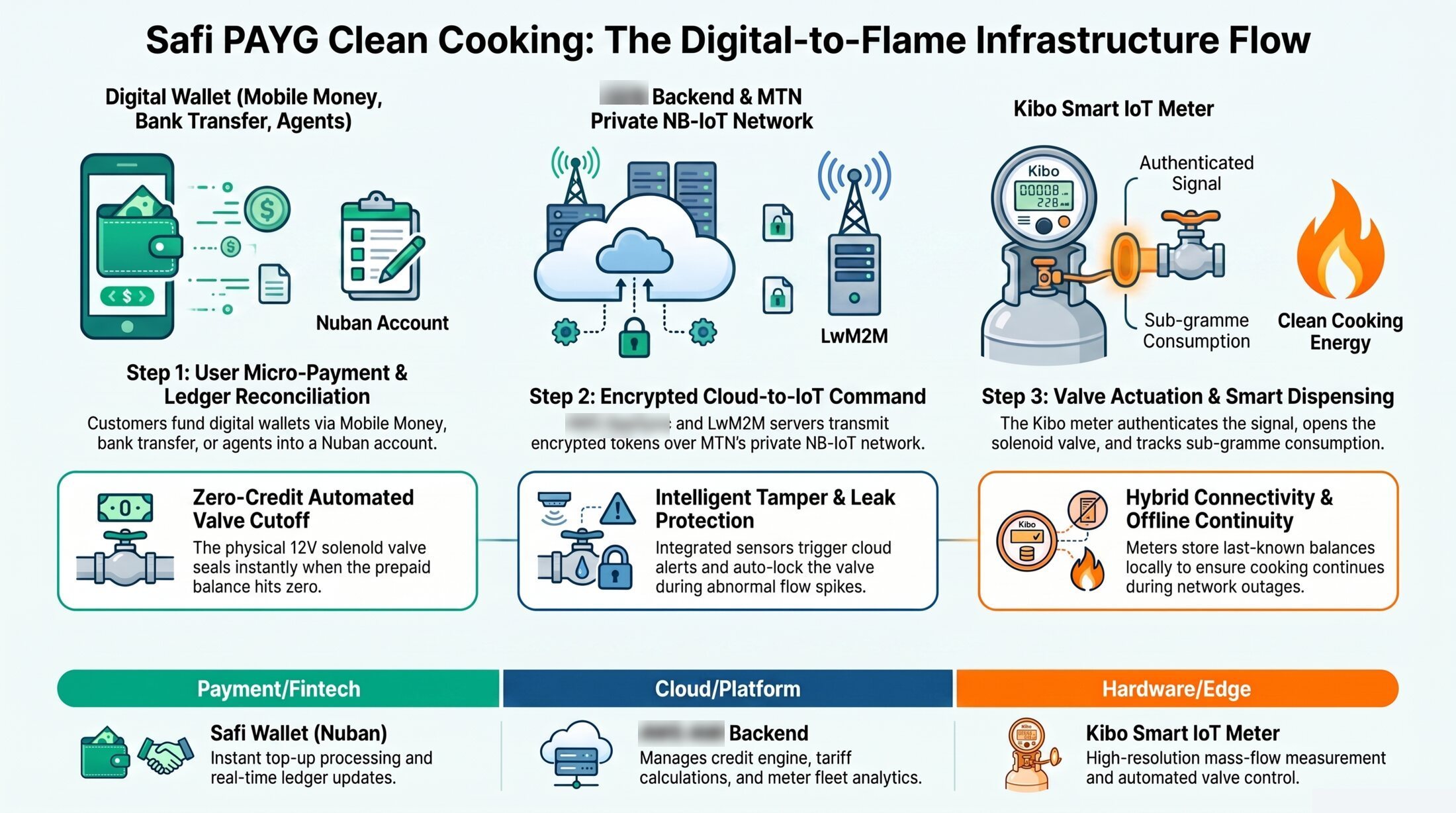
From digital wallet to flame, every gram accounted for.

Wallet

Every household gets its own Nuban account, funded by mobile money, bank transfer or an agent. A small automatic overdraft with our banking partner keeps the stove on if credit runs out mid-meal.

Cloud

The platform converts each gram metered into a wallet debit, holds the cylinder registry and settlement in one ledger, and forecasts demand one, three and six months out for depot logistics.

Meter

Kibo authenticates each command over MTN's IoT network, opens the valve, tracks consumption to the gram, and seals the supply the moment the prepaid balance reaches zero.

Infographic: Safi pay-as-you-go clean cooking, the digital-to-flame infrastructure flow — digital wallet, cloud backend over MTN's private IoT network, and the Kibo smart meter
The digital-to-flame flow in one picture: a micro-payment into the Safi wallet, an encrypted command over MTN's private IoT network, and the Kibo valve opening in the kitchen. Tap to enlarge.

Zero-credit automatic cut-off

When the balance reaches zero the meter closes the valve, after warning the household and giving them time to finish cooking.

Tamper and leak protection

Built-in sensors detect tampering and abnormal flow and shut the gas off automatically; the cloud is alerted at once.

Offline continuity

The meter keeps the last-known balance locally, so a network outage never stops a family from cooking the credit they have paid for.

What comes out

Verified consumption per household, per day. Audit-grade data for carbon monitoring and regulators. And a household that never runs out: the depot sees the cylinder emptying and swaps it before it does, cutting asset intensity from three or four cylinders per home to about one and a half.

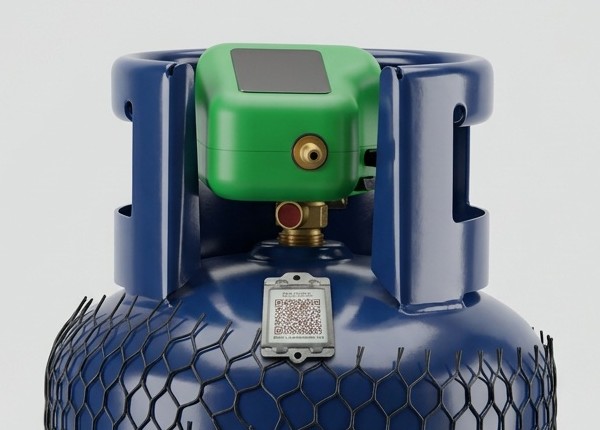
Kibo meter and CTAMS QR tag on a cylinder shroud

Every cylinder gets an identity.

Pay-as-you-go only works if the cylinder fleet is safe, traceable and owned by someone with an incentive to maintain it. CTAMS — Safi's Cylinder Tracking and Asset Management System — supplies the first two.

  • A cryptographic QR tag riveted to the cylinder shroud at the point of manufacture; it survives recertification.
  • A public verification site, qr.safegas.app, so any phone can confirm a cylinder is genuine, in test date and in the right hands.
  • A full life-cycle record: fill, dispatch, exchange, requalification and retirement.
  • Designed to interoperate with national registries, including the Standards Organisation of Nigeria's National Cylinder Recirculation Programme.

One cash-positive depot is the template. The next thousand are a roll-out.

Safi's first programme is a 12,500-household pilot in Surulere, Lagos — one of the densest districts in Nigeria, with middle-class and social housing side by side and heavy use of charcoal and kerosene. It is designed to prove that a micro-depot serving 20–25,000 people can run cash-positive without subsidy, before the same template is repeated across the country.

Asset company

Owns the cylinder and meter fleet and earns a metered return on every gram sold. The vehicle for project and development finance, and for cylinder programmes that need every unit traceable to a named household.

Technology company

Holds the Kibo and CTAMS intellectual property, the cloud platform and the data. Licenses the stack to LPG marketers, operators and partners across West Africa.

Carbon

Metered consumption is verifiable consumption. Every gram of LPG displacing charcoal is measured at source — the foundation for high-integrity carbon credits, allocated explicitly rather than assumed.

Gas producers and marketers

Predictable, metered offtake with demand forecast months ahead; a network of metered cylinders is also distributed storage that can lift or calm demand with timed promotions.

Investors and development finance

Cylinder fleets financed against audit-grade consumption data, live covenant monitoring and a carbon revenue line that partly hedges currency risk.

Communities and programmes

A donated or sponsored cylinder that is leased, metered and reported per household per day — not melted, resold or lost.

Start a conversation

With the existing LPG value chain, not against it.

Safi does not manufacture cylinders, fill them or run a bank. It brings the meter, the data and the household — and works with established Nigerian partners for everything else.

Connectivity partner

Kibo on MTN: putting the meter on Africa's largest GSM network.

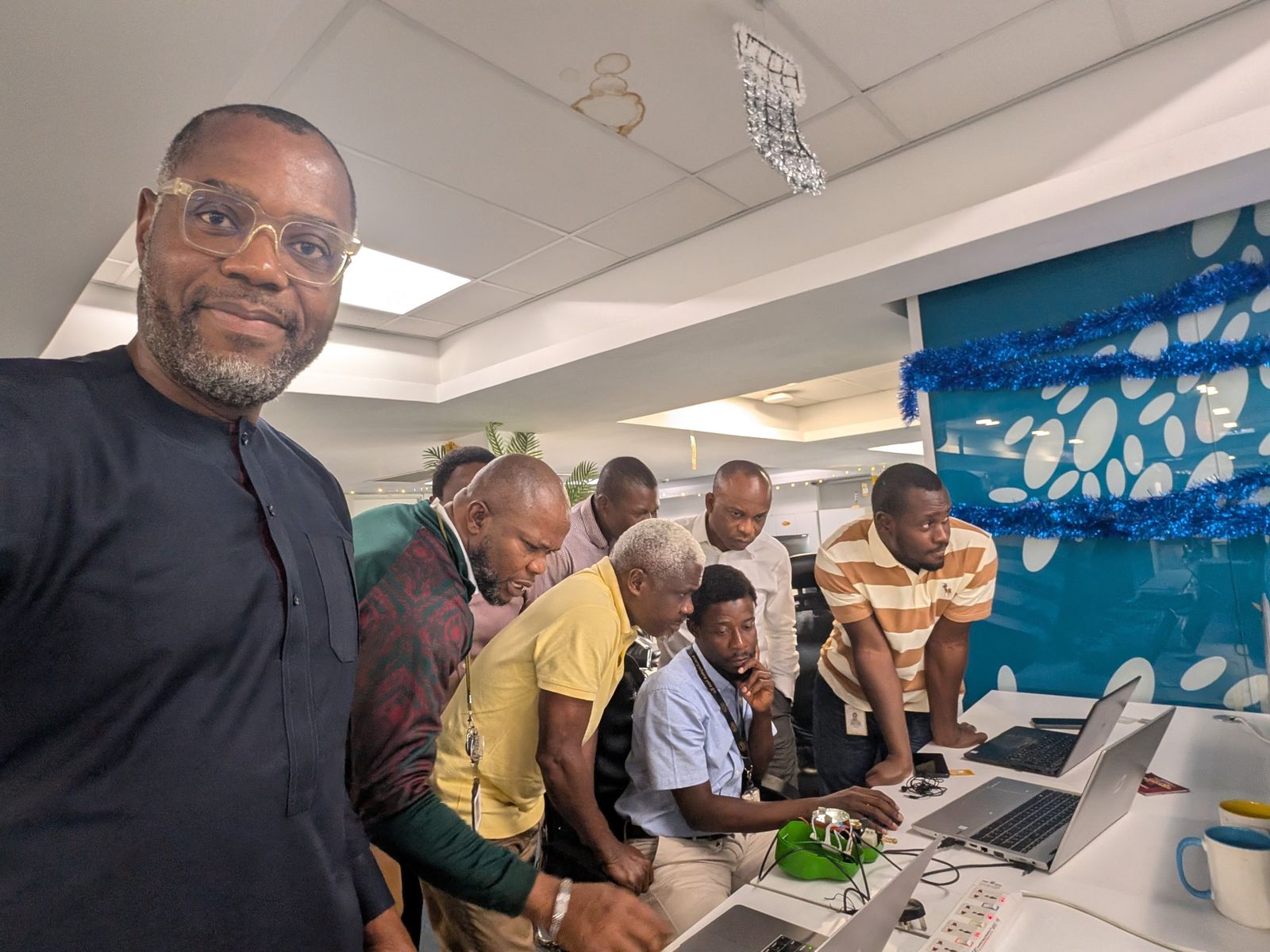
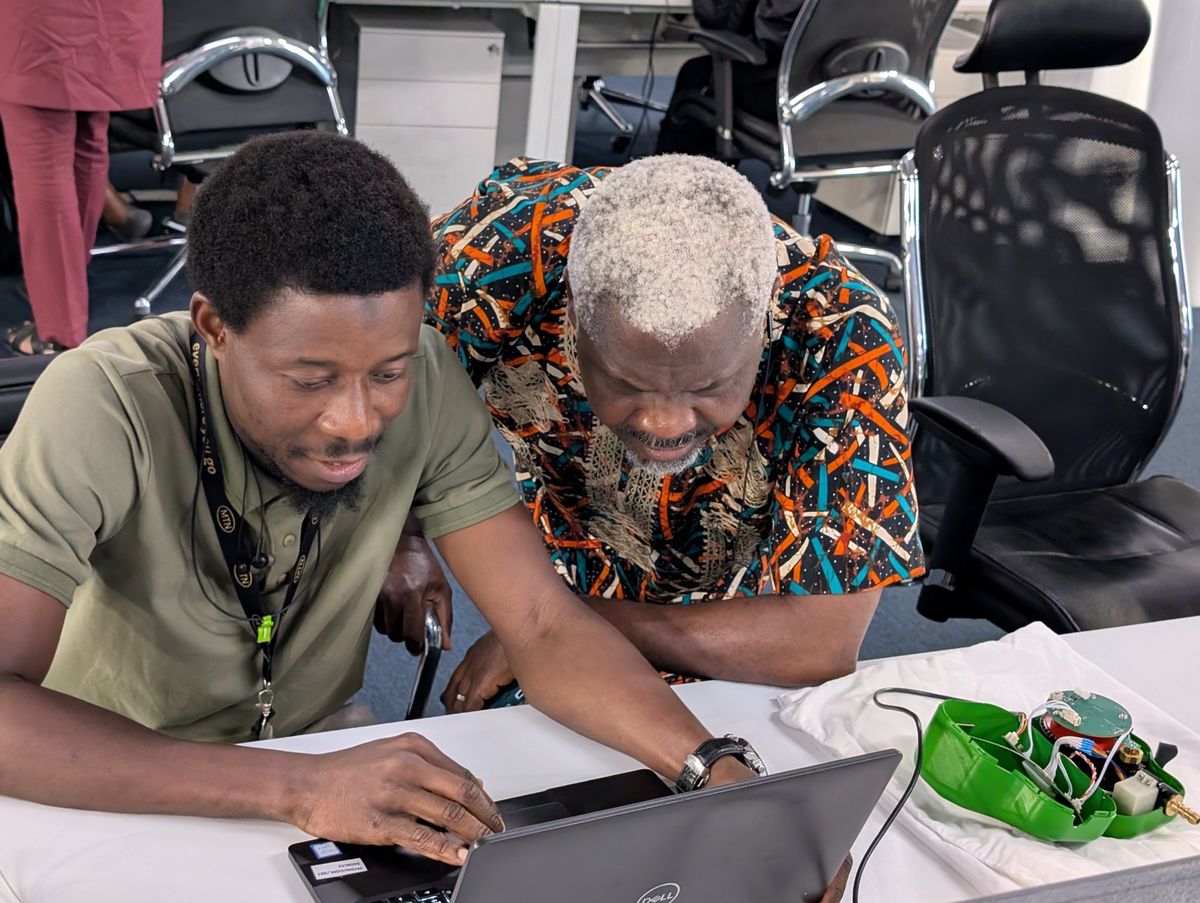
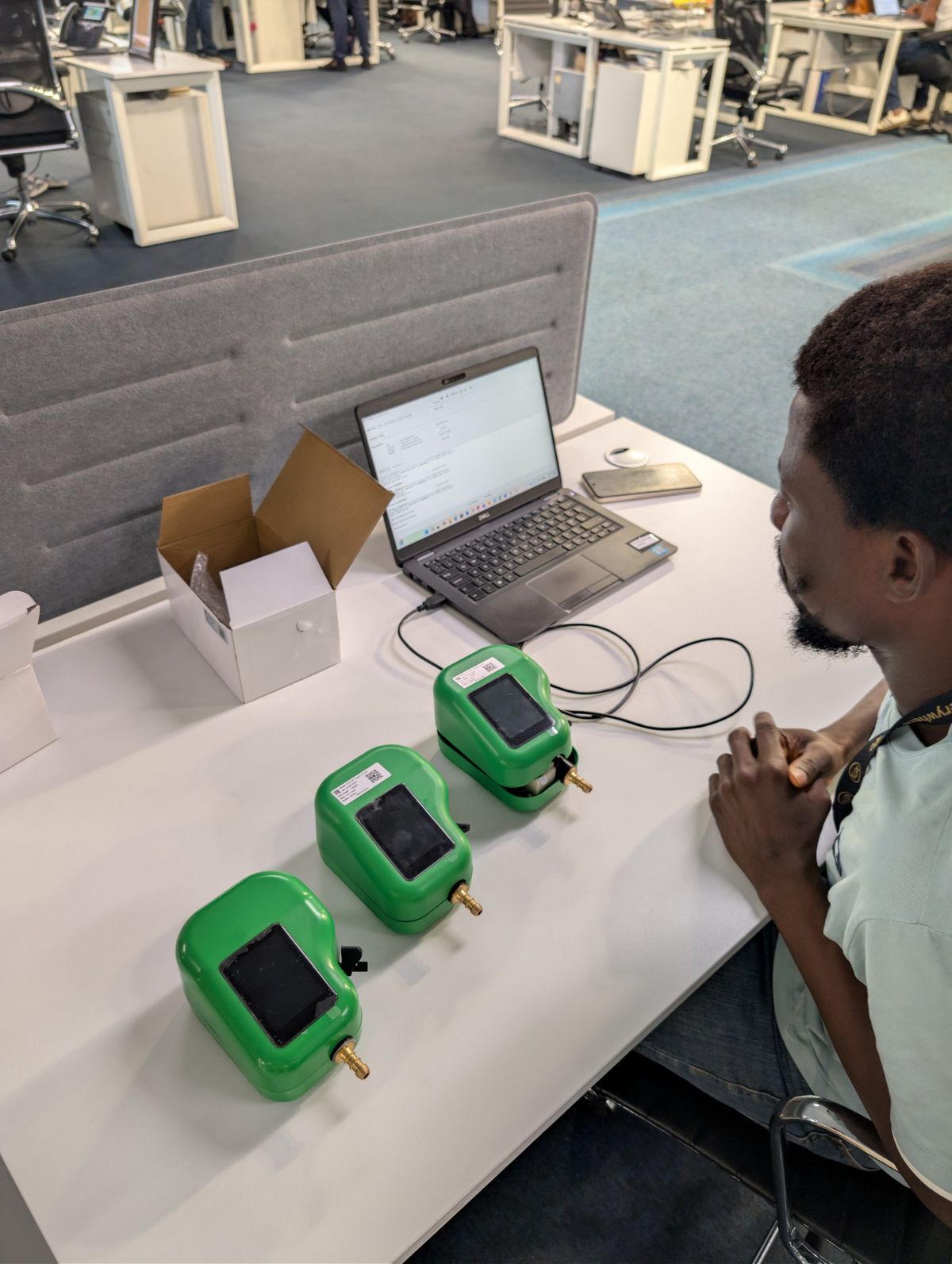
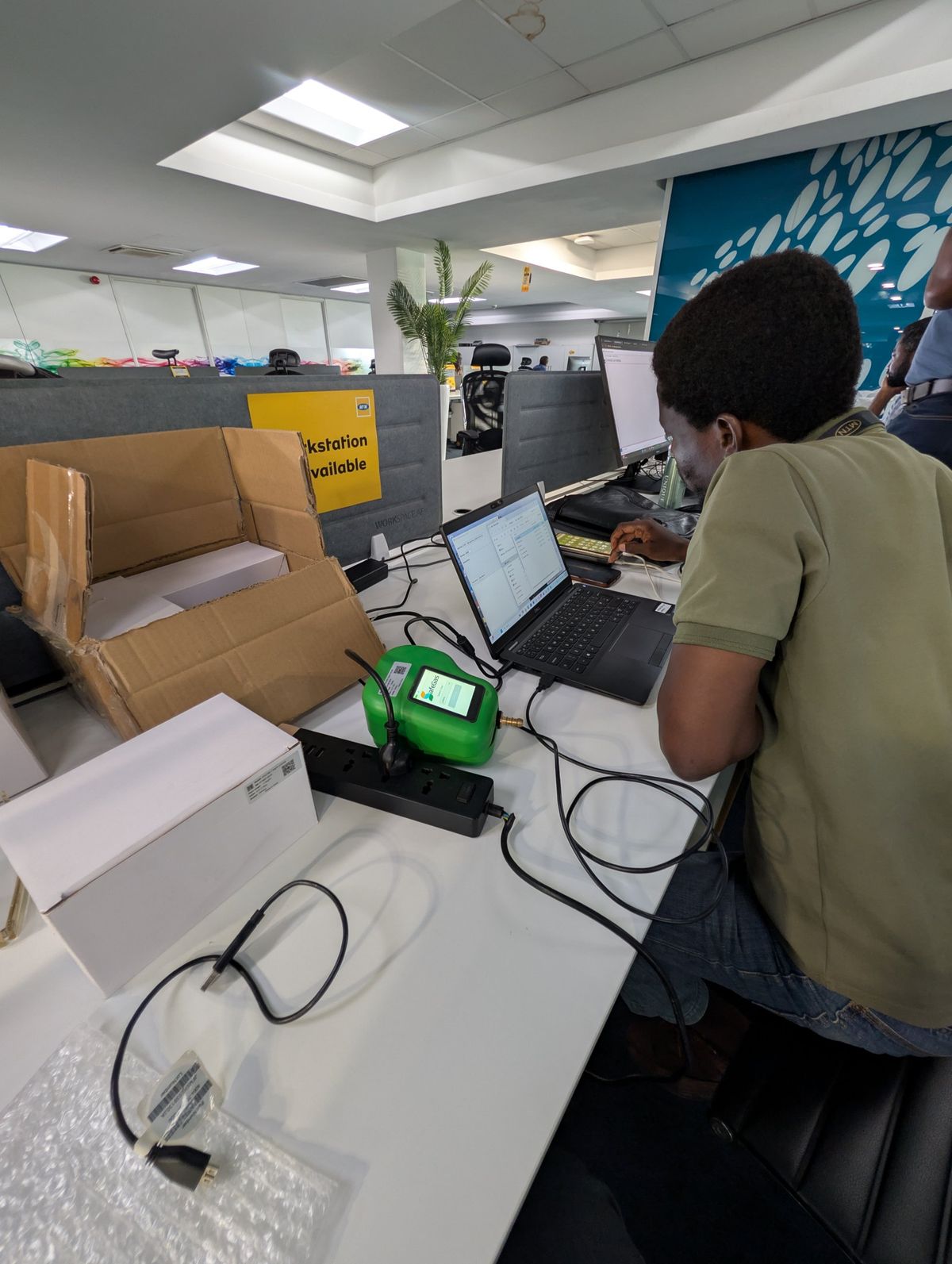
Every Kibo meter talks to Safi's cloud over MTN Nigeria's IoT network — LTE-M and NB-IoT, with 4G/3G/2G fallback. The joint MTN–Safi engineering team worked side by side at MTN's offices in Lagos to provision SIMs, flash firmware and bring the first meters online: a kitchen appliance that connects as reliably as a phone.

  • IoT SIMprovisioned per meter, managed centrally
  • LTE-M / NB-IoTlow-power connectivity built for metering
  • Offline-safelast-known balance kept locally; cooking continues

Safi works in the open with its regulators: the Nigerian Midstream and Downstream Petroleum Regulatory Authority (NMDPRA), under whose Technology Adaptation process the Kibo meter is being assessed, and the Standards Organisation of Nigeria (SON), which issued the Kibo electronic import permit in September 2026.

Founders who have built energy infrastructure on three continents.

Jerome Okolo

Jerome Okolo

Managing Director and Co-founder

An architect by training, Jerome has spent three decades in international petroleum trading, structured commodity finance and energy development. He was Co-CEO of Convena GmbH in Hamburg, CFO of Afrinergia Power and Executive Director of CT Cosmos Power, developer of grid-connected solar plants in Nigeria, and founded GeoQinetiq, a geosciences company that grew to more than 600 people. He holds the Sloan Fellowship MSc in Leadership and Strategy from London Business School and has contributed to energy-policy discussions at the World Bank, NESG, Chatham House, Johns Hopkins SAIS and SEforALL.

Alfredo Choperena

Alfredo Choperena

Chief Technology Officer and Co-founder

Al leads Kibo's firmware, device architecture and OEM relationships, and founded the Santa Clara, California IoT company with which the Kibo platform was developed. Before that he held senior technical roles in US industry: Vice-President of R&D at Johnson & Johnson, Vice-President of Operations and Technology at Sanofi, and business development at DuPont. He anchors Safi's technology base in the United States and directs the engineering team building the next-generation meter and backend.

Devendra Dave

Devendra Dave

Co-founder, Business Development

Deven is an entrepreneur and engineer with a career across gas, engineering and venture building: Shell Gas Canada, the engineering group AMEC, a succession of energy ventures including enhanced oil recovery, and a term as Director of the Centre for Entrepreneurship and Venture Capital at the University of British Columbia. At Safi he leads business development and regulatory matters on the Kibo programme alongside Ibrahim Boyi, is building the permanent Nigerian engineering team, and brings a data-science lens to the platform as the deployed fleet grows.

Ibrahim Boyi

Ibrahim Boyi

Co-founder, Director

Ibrahim is Founder and Chairman of Lenux Group and a former Executive Commissioner of Nigeria's Securities and Exchange Commission. He has led some of Nigeria's best-known companies as MD/CEO of Peugeot Automobile Nigeria, Eterna PLC, Gaslink Nigeria and Oando PLC. At Safi he leads engagement with the Nigerian Midstream and Downstream Petroleum Regulatory Authority, including the Technology Adaptation assessment of the Kibo meter, and co-owns regulatory strategy for the programme.

On the global stage

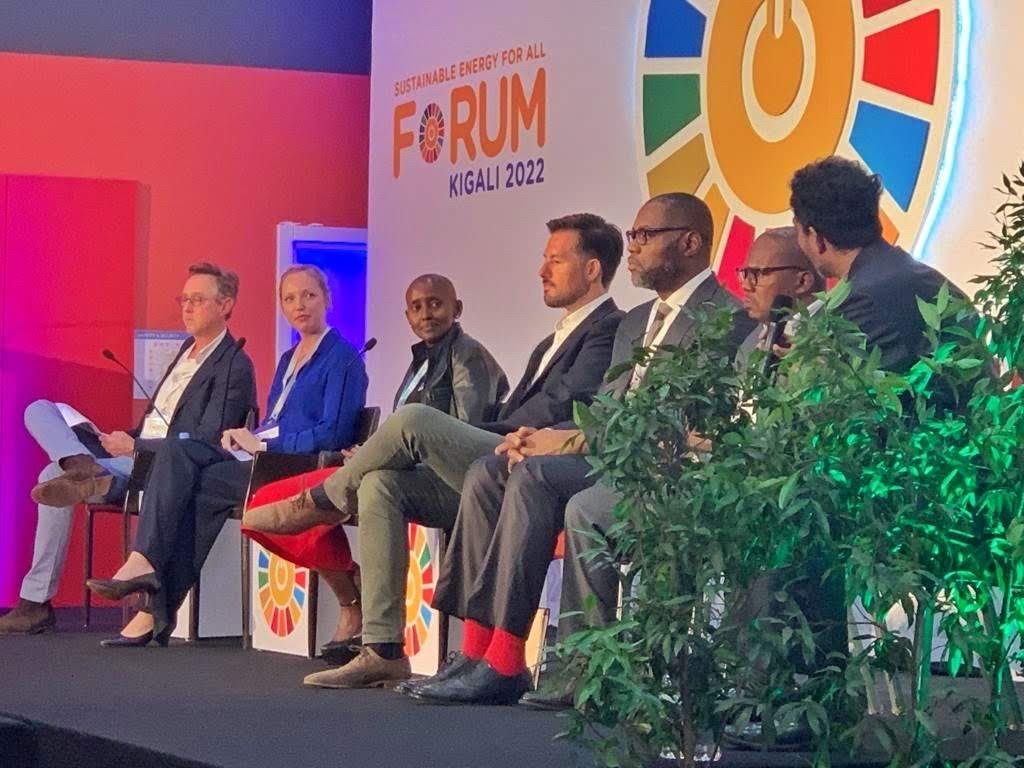
Making the case for clean cooking at the SEforALL Global Forum.

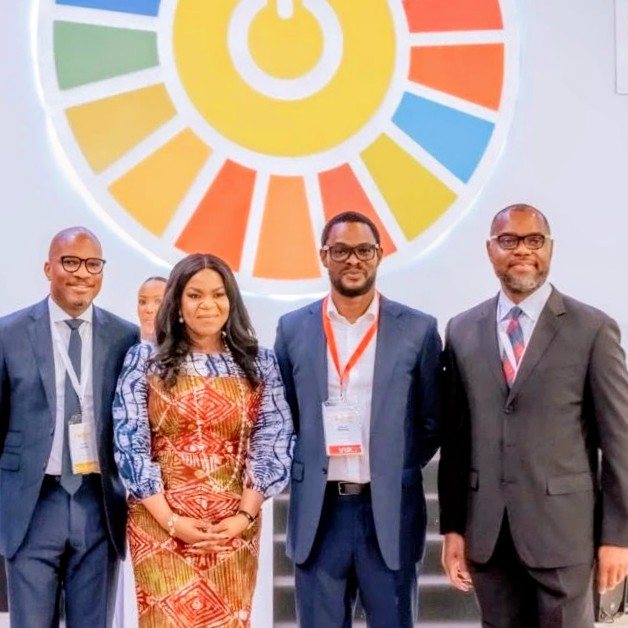
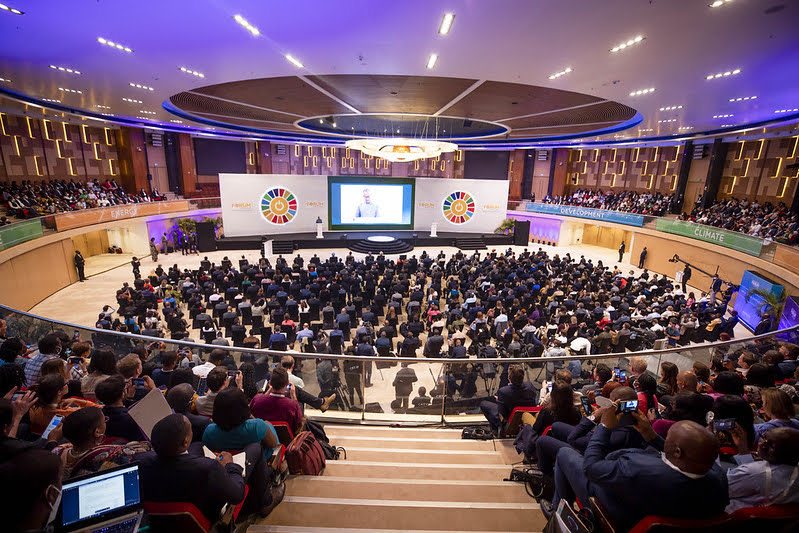
Jerome Okolo spoke on the clean-cooking panel at the 2022 Sustainable Energy for All Global Forum, held 17–19 May 2022 at the Kigali Convention Centre in Rwanda and co-hosted by SEforALL and the Government of Rwanda. The Forum brought together governments, financiers and operators on the path to universal energy access by 2030 — the same goal Safi is building toward, one metered cylinder at a time.

  • SEforALL Global Forum 2022Kigali Convention Centre, 17–19 May 2022
  • Clean-cooking panelJerome Okolo, speaker
  • Co-hostsSustainable Energy for All and the Government of Rwanda
Alfredo Choperena, Devendra Dave and Jerome Okolo together on a technology visit
Al, Deven and Jerome on a visit to the meter-development team
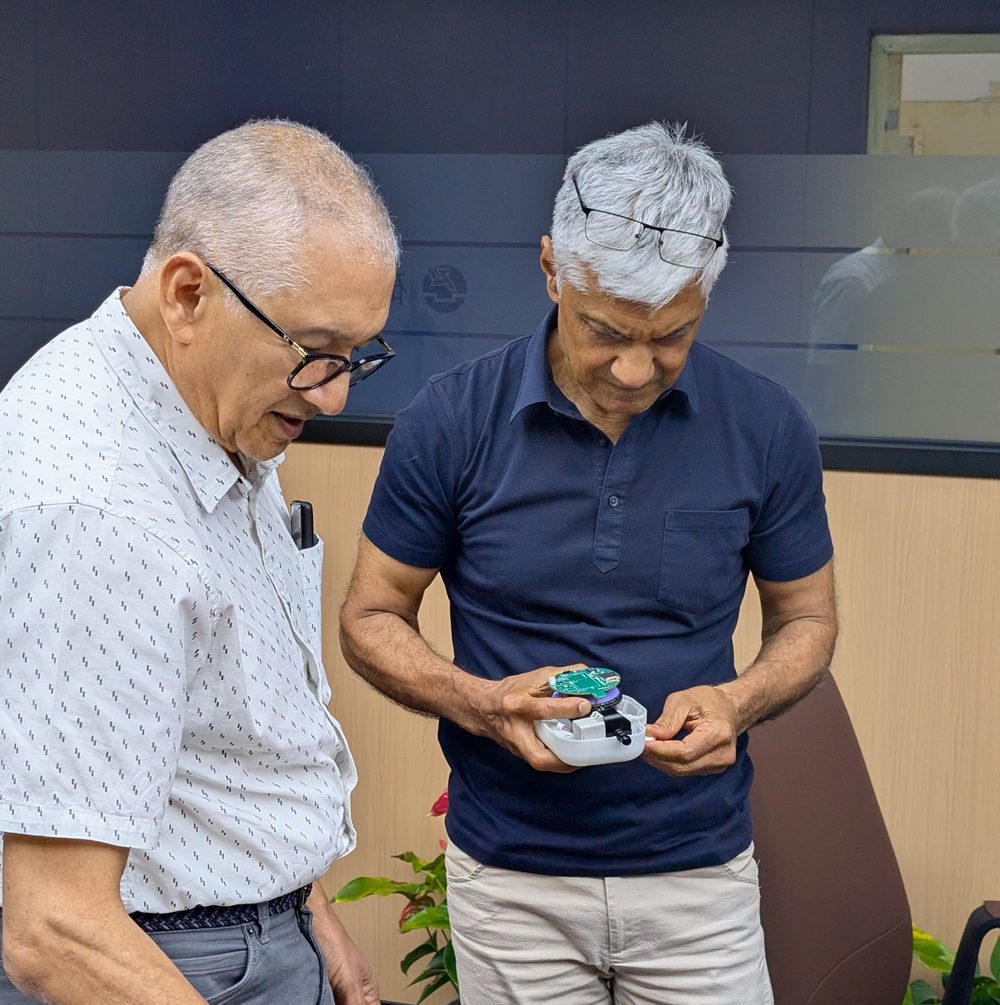
Alfredo Choperena and Devendra Dave examining a Kibo circuit board
Reviewing the next-generation Kibo board
Jerome Okolo and Devendra Dave on the Lagos lagoon inspecting LPG import terminals
On the Lagos lagoon, surveying the LPG import terminals
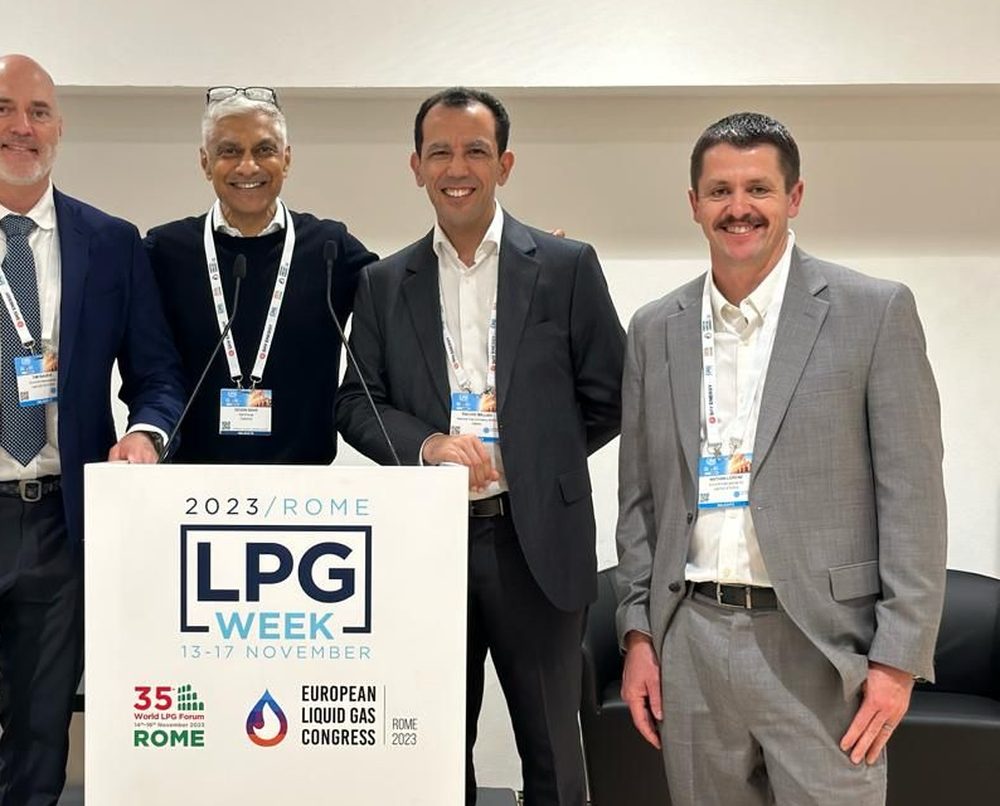
Devendra Dave speaking on a panel at World LPG Week, Rome 2023
Deven on a panel at World LPG Week, Rome 2023

Safi's engineering and operations team spans Lagos, Los Angeles and Lisbon — cloud architecture, firmware, backend, app development, test management and field deployment — and is advised by a board drawn from Nigerian finance, law and energy.